




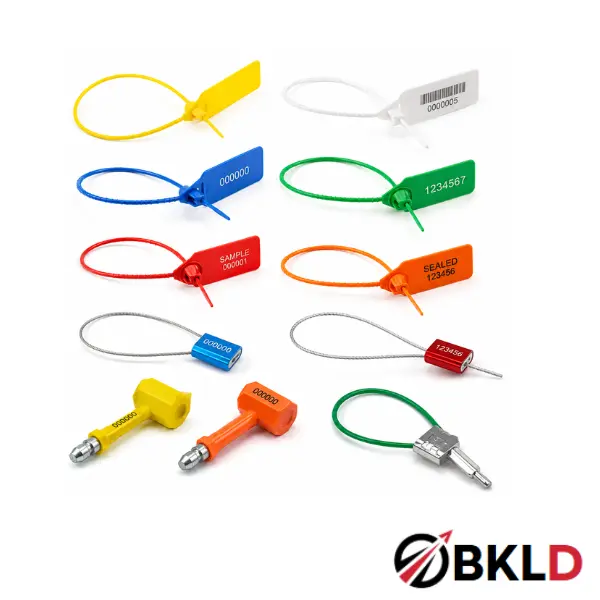





What Are Container Seals?
Container seals are security devices used to secure the doors of shipping containers during transportation. Once fitted, the seal should remain closed until the container reaches its authorised destination.
Many container seals feature a unique identification number or code. This allows businesses to record the seal number before dispatch and check it again when the container arrives.
If the seal is broken or the number does not match the shipping documentation, it can indicate that the container may have been accessed during transit.
Container seals are commonly used for:
- Shipping containers
- Freight transport
- Road haulage
- Warehousing
- Ports and terminals
- International logistics
- Supply chain security
- Cargo transportation
- Import and export operations
Why Use Shipping Container Seals?
Cargo can pass through several locations before reaching its final destination. During this journey, it may be handled by different people and transport companies.
Using shipping container seals helps businesses monitor access to the container throughout the transportation process.
A security seal can help:
- Reduce the risk of unauthorised access
- Deter cargo theft
- Identify potential tampering
- Improve cargo security
- Support inspection procedures
- Track containers using unique seal numbers
- Provide additional supply chain protection
- Maintain better control over transported goods
Container seals are not a replacement for other security measures. Instead, they provide an additional physical and visual security layer for businesses transporting valuable goods.
What Types of Container Seals Are Available?
Different transportation requirements may require different types of container security seals. The most suitable option depends on the level of security required and how the container will be transported.
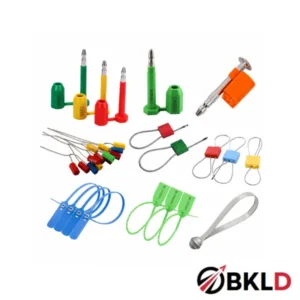
Bolt Seals
Bolt seals are widely used for high-security container applications. They consist of a metal bolt and locking mechanism that is designed to make unauthorised removal difficult.
Many bolt seals feature a unique number or identification code on the components. The number can be recorded before shipment and checked when the container arrives.
This makes bolt container seals suitable for freight companies and businesses that need stronger physical security for shipping containers.
Electronic Container Seals
Electronic seals can provide additional identification and monitoring capabilities. Depending on the product design, an electronic seal may use RFID technology to store or transmit identification information.
This can help authorised personnel identify a seal using compatible equipment and can support more efficient container inspection procedures.
Electronic seals may be useful for businesses looking to combine physical container security with digital identification.
How Do Container Seals Work?
A container security seal is fitted to the appropriate locking point on the container door before transportation.
The seal number or identification code can then be recorded against the relevant shipping or transport documentation.
When the container reaches its destination, the seal can be inspected before the doors are opened.
The recipient or authorised inspector can check:
- Whether the seal is still intact.
- Whether the identification number matches the recorded number.
- Whether there are visible signs of damage or tampering.
- Whether the container can be safely opened.
This simple process provides a practical way to monitor container access during transit.
How Do I Choose the Right Container Seal?
Choosing the right container seal for shipping depends on your security requirements and transportation process.
Consider the following factors before ordering:
Security Level
If your goods require a high level of physical protection, a high-security bolt seal may be appropriate.
Identification
If you need to record and verify individual seals, choose a product with a clearly identifiable unique number or code.
Transportation Conditions
Container seals may be exposed to rain, temperature changes and other demanding conditions. Select a seal designed for the environment in which it will be used.
Application
Consider whether the seal will be used for shipping containers, trailers, trucks or another type of cargo unit. Different applications may require different seal designs.
Quantity
For regular shipping operations, businesses may need container seals in larger quantities. Buying the correct quantity can help ensure that seals are available whenever containers are dispatched.
Are Container Seals Tamper Evident?
Yes. Many tamper-evident container seals are designed to show visible evidence if an attempt has been made to remove or interfere with the seal.
The exact level of tamper evidence depends on the seal type and design.
A damaged or broken seal should be investigated before the container is opened. Businesses can compare the seal condition and identification number with their shipping records.
This process can help identify potential security issues during the supply chain journey.
Where Can Container Seals Be Used?
Container seals in the UK are suitable for many logistics and transportation applications.
They can be used by:
- Freight companies
- Shipping companies
- Haulage businesses
- Importers and exporters
- Warehouses
- Distribution centres
- Manufacturers
- Ports and logistics operators
- Retail supply chains
- Cargo handling businesses
Whether goods are travelling by road, sea or through multiple distribution points, a suitable security seal can help improve control over container access.
Why Buy Container Seals in the UK?
Reliable container seals UK suppliers can help businesses source security products suitable for their shipping and logistics requirements.
For regular cargo transportation, having dependable security seals available can make the container preparation process easier. Numbered seals can also support better record keeping and inspection procedures.
If you regularly transport goods in shipping containers, choosing the right seal can help strengthen your overall cargo security process.

Reviews
There are no reviews yet.